How to Check Credit for Apartment Applications
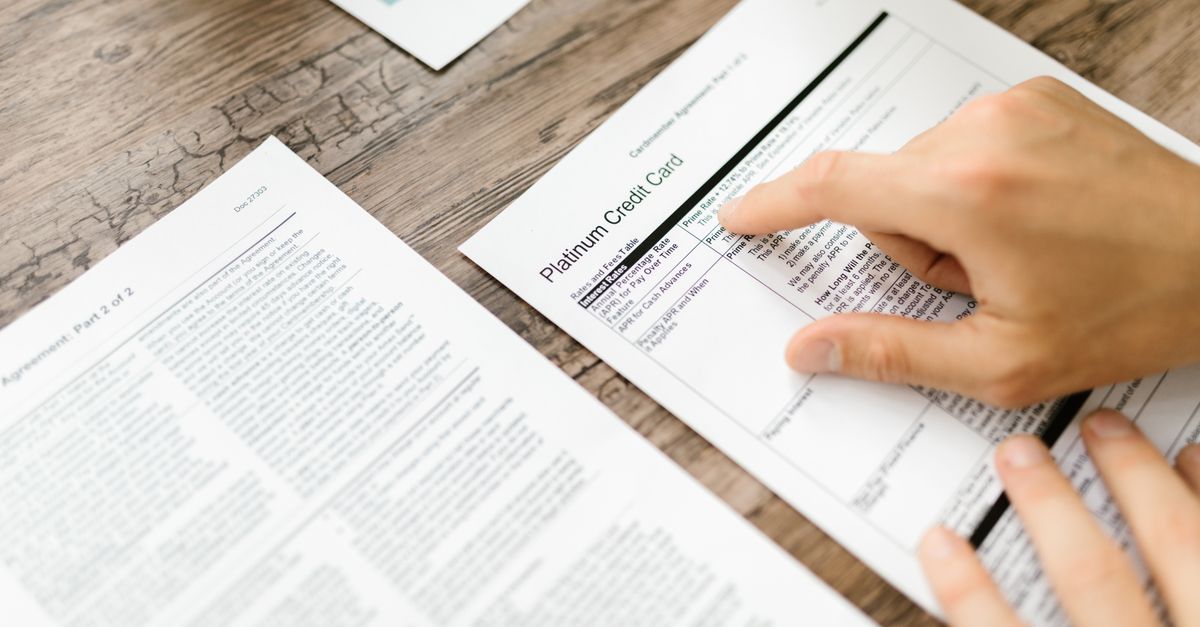
You don’t need a landlord or property manager to run your credit when applying for an apartment—you can check it yourself first. Knowing how to check credit for apartment application gives you control: you’ll spot errors, understand your standing, and avoid surprises during screening. Most landlords use tenant-specific reports from Experian RentBureau, TransUnion SmartMove, or Equifax Resident Credit Check—and those reports often include rental history, eviction records, and income verification, not just a FICO score. The good news? You can preview much of this info legally and affordably—even for free in some cases.
Why Checking Your Credit Before Applying Matters
Think of your credit report like a background check for your financial habits. Landlords don’t just glance at your score—they scan for late rent payments, collections, high debt-to-income ratios, or gaps in housing history. A surprise delinquency or outdated eviction filing could stall or kill your application, even if your income looks solid. When you know how to check credit for apartment application ahead of time, you buy yourself time to dispute inaccuracies (which can take 30+ days), explain red flags with context, or delay applying until you’ve improved key metrics. One tenant we spoke with fixed a $12 medical bill in collections—just $12—but it raised her VantageScore by 47 points and got her approved where she’d been denied twice.
Free Ways to See What Landlords Will See
You’re entitled to one free credit report every 12 months from each of the three bureaus at AnnualCreditReport.com—no credit card needed. That’s a full file: accounts, inquiries, public records, and personal info. But note: this won’t include your FICO or VantageScore unless you pay extra. For renters, the more relevant tool is Experian’s free service: you can get your Experian credit score—and their RentBureau data—for free at experian.com/freecreditreport. TransUnion also offers a free weekly report via AnnualCreditReport.com, plus basic score access through their app. Just avoid ‘free trial’ sites that demand credit cards—many quietly enroll you in subscriptions. And remember: checking your own credit is a ‘soft inquiry’—it won’t ding your score.
What Landlords Actually Pull (and Why It’s Different)
Most professional property managers don’t run a generic FICO score. They use tenant-screening platforms like SmartMove (TransUnion), Experian Connect, or RentGrow—tools built specifically for rental decisions. These reports bundle credit history with eviction databases (like NCS or E-Renter), criminal checks (if authorized), and sometimes even utility or telecom payment history. They also calculate a ‘renter risk score’—a proprietary number between 300–850 that weighs rent-specific behaviors heavier than credit card usage. So even if your FICO is 680, your renter score might be lower—or higher—if you’ve never missed rent but carry high revolving debt. That’s why knowing how to check credit for apartment application means looking beyond the headline number.
Fixing Red Flags Before You Hit ‘Submit’
Found something concerning? Don’t panic—and don’t rush to apply. Start with disputes: go straight to the bureau’s online portal (Experian, TransUnion, or Equifax) and upload proof—like a canceled check or letter from a creditor confirming a debt was settled. Most disputes resolve in 21–30 days. If you have unpaid collections under $100, consider paying them—some newer scoring models (like FICO 9 and VantageScore 4.0) ignore paid collections. Also, ask previous landlords to verify on-time rent payments via Experian Boost or UltraFICO—these tools let you add positive rental history to your file. And if your score is borderline, offer a co-signer or a larger security deposit upfront—many smaller landlords will accept either if the rest of your application is strong.
Frequently asked questions
Do landlords check credit before or after I submit my application?
Almost always after—but only if you’ve signed a written consent form. That’s required by the Fair Credit Reporting Act (FCRA). Never sign a blanket consent without reading it first; some forms allow repeated pulls over months.
Can I get denied just for having no credit history?
Yes—especially with automated systems. No credit isn’t the same as bad credit, but algorithms often treat it as higher risk. In those cases, offering bank statements, pay stubs, or a letter from a prior landlord helps prove reliability.
Will checking my credit hurt my score when applying for an apartment?
No—if you’re checking your own report (a soft inquiry). Only hard inquiries (like when the landlord runs it with your permission) show up on your file and may shave 1–5 points temporarily. Multiple rental inquiries within 14–45 days usually count as one.
Is there a minimum credit score to rent an apartment?
No universal minimum—but most conventional properties look for 620+. Some affordable housing programs accept scores as low as 500, while luxury buildings may require 680+. Always ask the leasing office what they use as a benchmark.